Most managers lack the self-awareness needed to build high-performing teams. Gallup reports that 85% of employees worldwide do not feel engaged at work because their leaders fail to adapt. Discovering your leadership profile is the fastest way to solve this problem.
The 13 leadership archetypes framework by Bunch is a complete map of management styles that helps leaders understand themselves and adapt to their team's specific needs. This model grows from the eight-archetype system developed by INSEAD professor Manfred Kets de Vries to show how people lead in modern organizations. By identifying which of the 13 types you embody, such as the Maker, the Coach, or the Pioneer, you can recognize your strengths and address your growth areas. Learning these patterns helps you lead with intention and clarity, creating teams that are happier and more engaged. This tool is part of a daily training app that uses short lessons and an AI coach, Bunchee, to help you sharpen your skills every day.
Take the Free Leadership Archetype Assessment →
You may wonder how these profiles work and how you can apply them to improve your management style starting today. Understanding how to adapt your approach begins with a clear grasp of what leadership archetypes actually are and why they matter.
What Are Leadership Archetypes?
A leadership archetype is a recurring pattern of behaviors that defines how you lead others. Think of it as a blueprint for your professional instincts. While a leadership style might shift based on the situation, an archetype represents something deeper. It shapes how you think, make decisions, and communicate with your team. Understanding these patterns helps you identify your natural strengths and pinpoint your blind spots.
Archetypes vs Leadership Styles
Many people use the terms style and archetype interchangeably, but they are different. A style is often situational. For example, you may be directive when a deadline looms and more collaborative when a team member needs coaching. An archetype is more stable. It is the approach you default to when you are not consciously managing your behavior. Leadership experts agree that knowing your core archetype is the foundation of any meaningful leadership growth journey.
The INSEAD Origin Story
The concept of leadership archetypes emerged from rigorous academic research. In 2005, Manfred Kets de Vries published a seminal paper at INSEAD on these behavioral patterns. An influential scholar with more than 50 books on leadership psychology, he developed the Leadership Archetype Questionnaire to identify recurring types. His research found that most leaders cluster into one of eight primary archetypes: the Strategist. The Change-Catalyst, the Transactor, the Builder, the Innovator, the Processor, the Coach, and the Communicator.
For years, these eight archetypes gave leaders a common language to discuss their strengths and blind spots. But as organizations evolved, the model needed to expand. Modern, fast-moving teams require finer granularity to target their development accurately.
The Move to 13 Leadership Archetypes
To provide richer, more actionable insights, the team at Bunch expanded the model from eight to 13 leadership archetypes. This expanded system delivers a more precise picture of your leadership identity. It examines how you drive innovation, support people, execute work, and cultivate knowledge. The complete 13 archetypes are the Maker, Guardian, Specialist, Sage, Virtuoso, Pioneer, Coach, Explorer, Maverick, Co-Creator, Catalyst, Detective, and Achiever.
With 13 categories instead of eight, you gain a sharper understanding of your unique leadership signature. You can see exactly where you excel and where you need complementary strengths from your team. This level of detail is why managers at leading organizations use this framework daily. It transforms leadership development from guesswork into a structured path forward.
The 13 Leadership Archetypes at a Glance
Most leaders embody one or a blend of the 13 leadership archetypes. Research from INSEAD confirms that understanding these patterns helps teams collaborate more effectively. Each archetype brings specific strengths, from driving innovation to maintaining operational excellence.
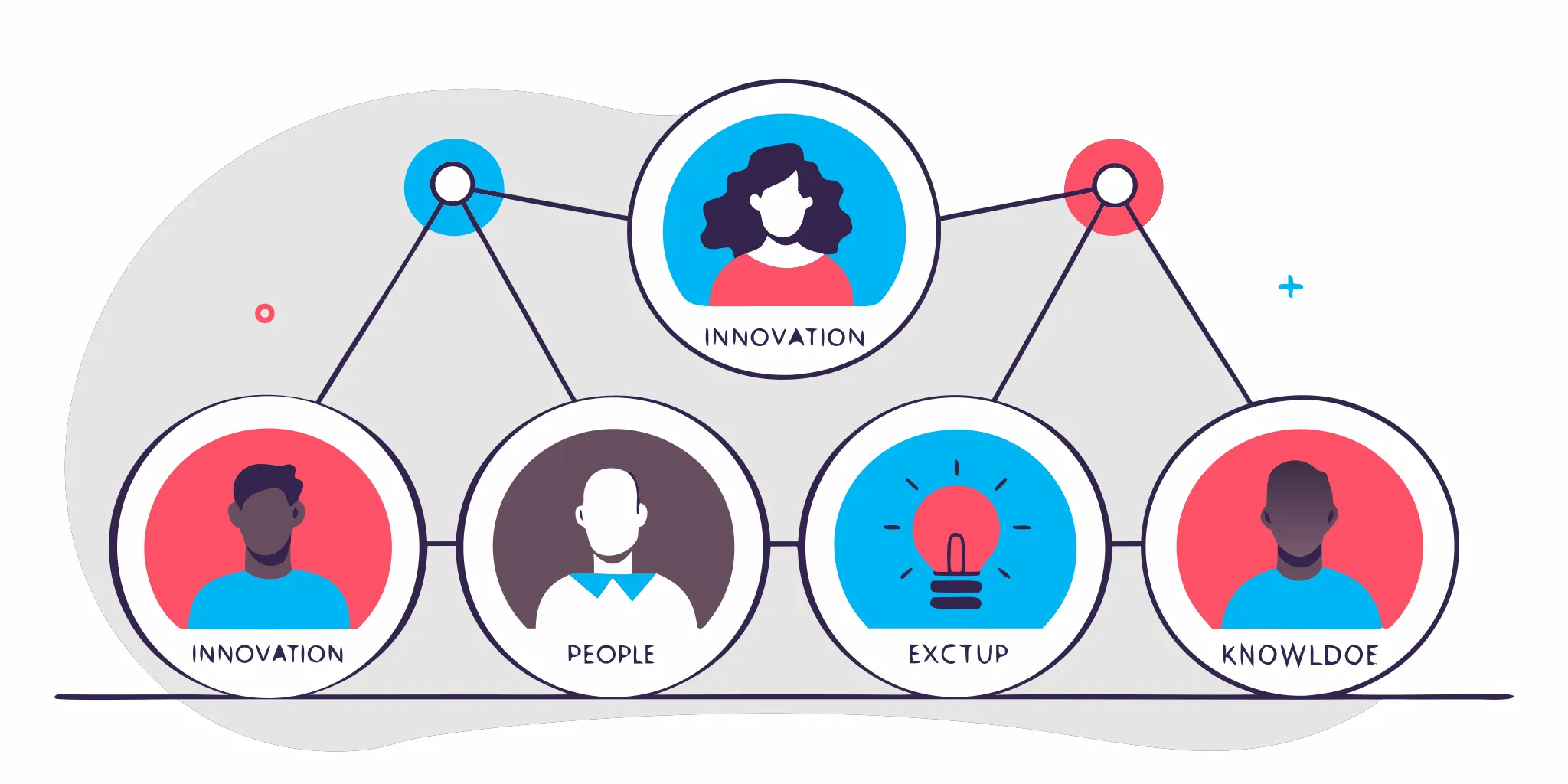
Archetype Clusters and Strengths
To make the framework practical, the archetypes are grouped into four clusters. These clusters help you identify which types of leaders complement your natural style. Some archetypes are oriented toward growth and change, while others focus on stability and rigor.
| Cluster | Archetypes | Core Strength | Key Phrase |
|---|
| Innovation | Explorer, Pioneer, Maverick | Driving new ideas and change | "What if we try this?" |
| People | Coach, Co-Creator, Catalyst | Building talent and connection | "How can you grow?" |
| Execution | Maker, Guardian, Specialist | Delivering quality and results | "I will make it happen." |
| Knowledge | Sage, Virtuoso, Detective, Achiever | Mastering skill and analysis | "Here is what I have learned." |
Blending Leadership Styles
Few people fit neatly into a single archetype. Most leaders blend two or three archetypes depending on their role, team, and organizational context. This blend often shifts as you take on new challenges or join different teams. Self-awareness is the critical first step toward growth, according to workplace behavior research.
Once you know your primary archetype, you can learn when to lean into your strengths and when to seek complementary skills from your team or from Bunchee, the AI coach. Bunchee delivers personalized daily tips that align with your unique archetype blend, helping you stay focused on your growth areas.
Discover Your Leadership Archetype Today →
The Innovation-Driven Archetypes: Explorer, Pioneer, and Maverick
The Innovation cluster focuses on what is next. These leaders thrive on experimentation and calculated risk. Within the 13 leadership archetypes system, these three types drive organizational change and open new frontiers. When a team needs to pivot or launch something entirely new, Innovation archetypes provide the spark.
Driving Change Through Curiosity and Boldness
The Explorer acts as a scout. Naturally curious, they constantly search for emerging tools, methodologies, and market signals. This archetype helps teams see what is possible by asking the questions nobody else is asking. Because they scan the horizon, they help organizations shift before disruption becomes a crisis. They create psychological safety for experimentation.
The Pioneer breaks ground. While the Explorer finds the path, the Pioneer builds it. Bold and action-oriented, they do not wait for a perfect plan. They start, iterate, and learn by doing. This resilience is essential for fast-moving teams. It builds on the original eight archetypes framework developed at INSEAD.
The Maverick challenges the status quo. When a process feels outdated or counterproductive, the Maverick speaks up. Their contrarian perspective helps teams break through plateaus when conventional thinking has stalled.
Blind Spots of Innovation Archetypes
Every strength has a corresponding risk. For Innovation archetypes, the most common trap is moving too fast. Pioneers and Mavericks may grow frustrated when their teams need time to process change. This speed differential can erode trust if the leader does not communicate clearly. They must learn to slow down and bring the team along.
Another blind spot is impatience with process. These archetypes may view rules and procedures as obstacles. While this keeps them agile, it can compromise quality. Complementary archetypes like the Specialist or Guardian can help ground their ideas. Taking Bunch's leadership style self-assessment helps you identify your archetype and work with Bunchee to bridge these gaps.
The People-First Archetypes: Coach, Co-Creator, and Catalyst
The foundation of any strong team is human connection. Leaders in the People cluster excel at building trust, developing talent, and fostering belonging. These three archetypes focus on growth and collaboration to drive sustainable team performance.
The Coach: Building Talent and Growth
The Coach archetype is oriented around mentoring and development. These leaders see each team member as a unique individual with potential to unlock. They invest time in listening, providing feedback, and creating growth plans. A Coach is at their best when guiding someone through a stretch assignment or career transition.
With the Bunchee AI coach, Coaches can scale their impact. AI-generated recommendations help them identify the most effective ways to support each team member. However, Coaches may struggle when tough decisions are needed. Their desire to nurture can make it difficult to deliver hard feedback or make unilateral calls.
The Co-Creator: Leading Through Consensus
Co-Creators believe the best solutions emerge from collective input. They excel at facilitating teamwork and ensuring every voice is heard. This archetype is ideal when broad alignment is necessary. Co-Creators build deep trust by involving stakeholders from the outset.
This style aligns naturally with peer learning groups, where social learning amplifies team growth. The primary blind spot for a Co-Creator is pace. Because they seek consensus, decision-making may take longer than other archetypes would prefer.
The Catalyst: Inspiring Team Action
Catalysts generate energy that moves teams forward. They use enthusiasm and vision to rally people around a shared goal. While the Coach focuses on individuals, the Catalyst focuses on collective momentum. They are essential during periods of change or when team motivation dips.
A Catalyst helps the team maintain sight of the bigger picture. According to Gallup, only about 15% of workers worldwide feel genuinely engaged at work. Catalysts combat this by giving work a sense of purpose. Their challenge is follow-through, as they may move to the next exciting initiative before the current one is complete.
How Can You Identify Your Leadership Archetype?
Identifying your leadership style is the first step toward intentional growth. Most people lead by instinct, repeating habits that feel natural in the moment. But genuine development starts with self-awareness. When you identify your match among the 13 leadership archetypes, you get a clear roadmap. You see your natural strengths and the gaps that may be holding your team back.
Start with the Assessment in the Bunch App
The journey begins with a quick diagnostic in the Bunch app. This tool uses validated behavioral science to analyze how you respond under pressure, communicate with your team, and approach decisions. The assessment draws from the Leadership Archetype Questionnaire developed at INSEAD and expanded by Bunch for modern workplaces. The test takes just a few minutes and delivers insights you can use immediately.
- Download the Bunch app from the Apple App Store or Google Play. Create your account and navigate to the free assessment.
- Answer the situational questions honestly. These questions present realistic workplace scenarios. Think about how you actually behave, not how you wish you behaved.
- Review your archetype profile. The app identifies which of the 13 leadership archetypes best fits your behavioral patterns. You may discover you are a Maker, a Coach, or an Explorer, or a blend of two or three.
- Explore your strengths and blind spots. Your profile highlights what you naturally do well and flags behaviors that may be limiting your team's performance.
- Begin working with Bunchee. After the assessment, Bunchee creates a personalized growth plan with daily two-minute tips tailored to your archetype. These micro-habits compound into significant leadership improvement over time.

What Your Results Reveal
Your archetype profile is more than a label. Each archetype comes with specific strengths and corresponding blind spots. A Maker delivers results but may overlook team morale. A Coach develops people but may hesitate to make tough calls. This knowledge helps you lead with greater intentionality.
The Bunch app does not stop at identification. It gives you an ongoing development plan. You receive two-minute daily tips designed to reinforce your strengths and address your growth areas. You can also join peer learning groups where members share what works and learn from each other's experiences, creating accountability and social reinforcement.
How Can Leadership Archetypes Improve Your Team?
Understanding the 13 leadership archetypes is not just a personal exercise. It has direct implications for team dynamics, hiring, and organizational design. When you and your team understand each other's archetypes, communication improves and conflict decreases. You can build teams with complementary strengths rather than redundant ones.
A team led exclusively by Innovation archetypes may generate great ideas but struggle with execution. A team heavy on Execution archetypes may deliver reliably but resist needed change. The most effective teams include a healthy balance of archetypes across all four clusters. Leaders who understand this can hire more intentionally, assign projects based on natural strengths, and reduce friction by anticipating where clashes are likely to occur.
The Execution Archetypes: Maker, Guardian, and Specialist
Execution leaders are focused on quality, reliability, and getting things done. They form the operational backbone of every high-performing team. Within the 13 leadership archetypes, these three types are most concerned with how work is delivered. They value consistency, precision, and clear outcomes.
The Maker: Hands-On Leadership and Craft
The Maker archetype leads by example. Often the most skilled builder on the team, a Maker does not manage from a distance. They dive into the work, demonstrating excellence and setting a high bar for quality. This style is especially effective in early-stage teams and startups where every person contributes directly to the product.
As the team grows, Makers may struggle to delegate. Their attachment to the craft can lead them to micromanage. They must learn to shift from doing the work to enabling others to do it. Bunch helps these leaders through a daily learning plan that uses two-minute micro-habits to gradually shift behavior. These bite-sized tips have an 83% completion rate among managers using the app, making them practical for busy leaders.
The Guardian and Specialist: Quality and Precision
While the Maker builds, the Guardian protects. The Guardian archetype focuses on risk management, compliance, and standards. They ensure the team meets its commitments without cutting corners. This perspective is critical as organizations scale, because what worked at ten people may break at one hundred.
The Specialist brings deep domain expertise. They are the go-to person for complex problems that require nuanced understanding. A Specialist ensures the team maintains technical depth in its core competency. Research from INSEAD shows that clearly defined roles like these help teams perform well even under pressure.
Balancing Execution and Strategy
Execution archetypes deliver results consistently. They ensure projects finish on time and meet quality standards. However, they may resist change that disrupts established processes. They can also become so focused on operational details that they lose sight of the bigger strategic picture. This is a common blind spot for execution-oriented leaders, and one that awareness of the full set of 13 leadership archetypes can help address.
The Knowledge Archetypes: Sage, Virtuoso, Detective, and Achiever
Knowledge-led leaders are driven by facts, expertise, and continuous improvement. In the 13 leadership archetypes system, these four types excel with data, analysis, and skill development. They push teams to grow through rigorous standards and intellectual honesty.
Sage and Virtuoso: Mentors and Masters
The Sage archetype is a natural teacher. They lead by sharing wisdom and helping others learn. Their primary motivation is to pass on knowledge and strengthen the team's collective capability. Colleagues turn to the Sage when facing unfamiliar challenges.
The Virtuoso is a master craftsperson. They hold themselves and their teams to exceptionally high standards. They do not accept mediocrity and push for world-class output. The Virtuoso often creates personalized development plans to help each team member raise their game. However, both the Sage and Virtuoso can struggle with perfectionism. They may focus on minor flaws at the expense of progress. Working with the Bunchee AI coach helps these leaders learn to delegate and trust their teams more effectively.
Detective and Achiever: Solving for Success
The Detective archetype pursues truth through data. They need to understand root causes before acting. A Detective is unsatisfied until all the facts are on the table. They use logic and analysis to cut through ambiguity and find the optimal path forward.
The Achiever is relentlessly focused on outcomes. They thrive on clear targets and measurable progress. Achievers track metrics like engagement rates, conversion benchmarks, and customer lifetime value to evaluate whether strategies are working. The archetype framework itself draws on decades of research from INSEAD.
Avoiding the Trap of Over-Analysis
The primary risk for knowledge archetypes is analysis paralysis. Waiting for perfect data before making a decision can stall momentum. To stay action-oriented, these leaders can use Bunch's daily tips and premium features. Short, evidence-based micro-habits help convert analysis into action while maintaining rigor.
Start Your Leadership Growth Journey →
Using Your Archetype to Become a Better Leader
Knowing your place among the 13 leadership archetypes is only the beginning. Real transformation occurs when you move from awareness to consistent practice. By learning to recognize which archetype you default to in different situations, you can consciously choose a more effective approach.
Build Daily Habits Around Your Archetype
Growth happens in small, consistent actions. If you are a Maker, practice delegating one task per week that you would normally do yourself. If you are a Coach, practice giving direct feedback even when it feels uncomfortable. If you are a Pioneer, practice pausing to bring your team along before charging ahead. These micro-adjustments compound over time.
Leverage Your Team's Archetype Diversity
Your team almost certainly includes multiple archetypes. The Explorer in the room will push for new ideas. The Guardian will ask what could go wrong. The Achiever will track whether the plan is working. Each perspective is valuable. The best leaders create space for all four clusters to contribute. If your team skews heavily toward one cluster, consider how you might bring in complementary viewpoints, whether through new hires, cross-functional collaboration, or external advisors.
Use AI Coaching for Consistent Growth
Consistency is the hardest part of leadership development. Busy schedules, competing priorities, and the natural inertia of habit make it easy to revert to old patterns. The Bunchee AI coach provides daily two-minute tips tailored to your archetype, your current challenges, and your growth goals. These micro-interventions keep your development on track without requiring significant time investment. Combined with peer learning groups in the Bunch app, this creates a sustainable leadership practice that fits into your existing routine.
Frequently Asked Questions About Leadership Archetypes
What are the 13 leadership archetypes?
The 13 leadership archetypes are Maker, Guardian, Specialist, Sage, Virtuoso, Pioneer, Coach, Explorer, Maverick, Co-Creator, Catalyst, Detective, and Achiever. They are grouped into four clusters: Innovation (Explorer, Pioneer, Maverick), People (Coach, Co-Creator, Catalyst), Execution (Maker, Guardian, Specialist), and Knowledge (Sage, Virtuoso, Detective, Achiever). Each archetype represents a distinct pattern of leadership behavior with unique strengths and blind spots.
How do I discover my leadership archetype?
You can discover your leadership archetype by taking the free assessment in the Bunch app, available on Apple App Store and Google Play. The assessment uses validated behavioral science questions based on the INSEAD Leadership Archetype Questionnaire. After completing it, you will receive a personalized profile identifying your primary archetype along with your strengths and blind spots.
How are leadership archetypes different from leadership styles?
Leadership styles are situational approaches you adopt based on the context, such as being directive during a crisis or democratic during planning. Leadership archetypes are deeper, more stable patterns of behavior that define your natural leadership instincts. While styles may shift from meeting to meeting, your archetype remains consistent and reflects your default approach when you are not consciously managing your behavior.
Can you have more than one leadership archetype?
Yes, most leaders embody a blend of two or three archetypes. Your primary archetype represents your strongest tendency, but secondary archetypes may emerge in different contexts or as you grow. Understanding your archetype blend gives you a more nuanced picture of your leadership identity and helps you identify which complementary archetypes you should seek in your team.
What is the history behind the 13 leadership archetypes?
The framework originated from INSEAD professor Manfred Kets de Vries, who identified eight leadership archetypes in 2005 through his Leadership Archetype Questionnaire. Bunch expanded this model to 13 archetypes to provide more precise, actionable insights for modern leaders. The expanded framework covers innovation, people management, execution, and knowledge domains for a comprehensive view of leadership behavior.
Ready to Take the Next Step in Your Leadership Journey?
Understanding the 13 leadership archetypes is a powerful first step, but lasting growth requires consistent practice and accountability. The Bunch app combines personalized daily coaching from Bunchee, peer learning groups for social reinforcement, and a science-backed assessment to help you turn leadership insights into daily habits. Whether you are a Maker looking to delegate more effectively or a Coach seeking to sharpen your feedback skills, there is a growth path designed for your archetype.
Download Bunch and Start Your Free Leadership Assessment Today →